Trends
Why Label Converters Are Shifting to Cavitated BOPP

Why cavitated films are gaining traction as a sustainable, cost-effective solution.
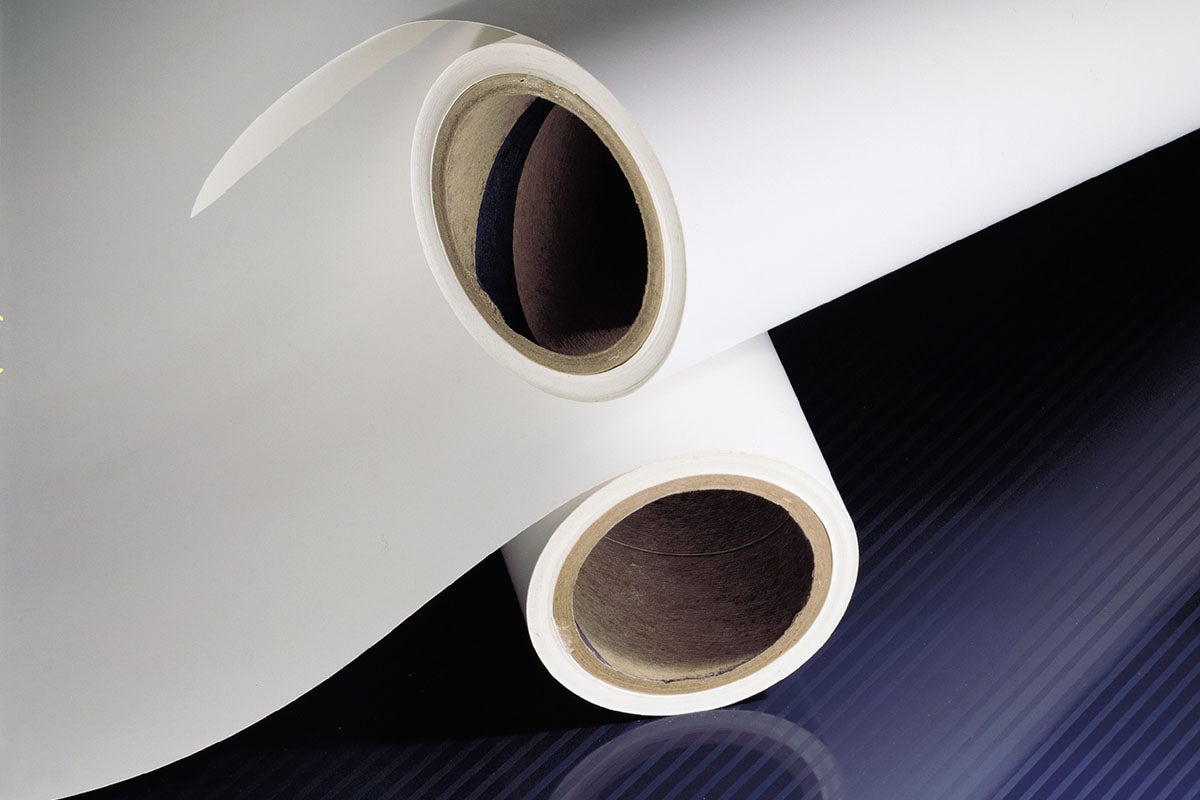
Brand owners want lighter, more sustainable constructions without sacrificing shelf appeal, print quality, or line efficiency. One material comparison that’s increasingly part of that conversation is cavitated BOPP film.
Cavitated vs solid core film: what’s the difference
At a high level, both cavitated and solid core films are made from biaxially oriented polypropylene (BOPP). The key distinction lies in how the film is engineered.
Solid core BOPP films are solid, uniform films with consistent density throughout. They offer excellent clarity, strength, and durability.
Cavitated BOPP films, by contrast, contain microscopic “cavities” created during the stretching process. These air pockets reduce density while increasing opacity and stiffness.
The result is a lighter-weight film that maintains performance while using less raw material. This structural difference drives many of the advantages converters are looking for.
Why cavitated films are gaining market share
Both film types are widely used in pressure-sensitive labels, wrap-around labels, and flexible packaging applications. However, the differences in structure, performance, and sustainability impact can significantly influence material selection, especially for converters serving food, beverage, personal care, and consumer goods brands.
One of the most compelling advantages of cavitated BOPP films lies in their exceptional opacity. The microscopic air voids scatter light effectively, creating a naturally white, opaque substrate that eliminates the need for additional opacity-enhancing additives.
This inherent opacity provides label converters with several distinct advantages:
- Improved shelf appeal: Superior print contrast allows for more vibrant colors and sharper graphics.
- Improved cost efficiency: Unlike solid core films that may require multiple ink layers or specialized white inks to achieve similar opacity levels, cavitated films provide an optimal printing surface from the start, resulting in reduced ink consumption and faster production speeds
- Fewer reprints and waste reductions: The micro-rough surface texture created by cavitation enhances ink adhesion and reduces print defects, leading to more consistent quality across production runs.
Lightweight design drives sustainability
The sustainability advantages of cavitated BOPP films extend far beyond their recyclable polypropylene base material. The cavitation process enables manufacturers to achieve nearly 40% reduction in raw material usage compared to equivalent-performance solid core films.*
This reduction stems from the air voids replacing solid polymer material while maintaining essential film properties.
For label converters, this weight reduction translates into multiple sustainability benefits:
- Transportation costs decrease significantly due to lighter shipment weights, reducing carbon footprints associated with logistics
- Less raw material consumption per unit of film produced, aligning with corporate sustainability goals and environmental regulations
The cavitated structure allows for thinner films that maintain stiffness and handling characteristics. This enables label converters to downgauge their film specifications without compromising performance,.
Market growth and application expansion
Current market data indicates that cavitated films have captured over 62% of usage in food packaging and consumer goods applications*. The food packaging sector particularly values cavitated BOPP films for their excellent moisture barrier properties, chemical resistance, and FDA-approved formulations.
Recyclability and circular economy benefits
Unlike multi-layer laminates that can be difficult to recycle, mono-material cavitated BOPP films integrate seamlessly into existing plastic recycling streams.
The cavitated structure does not impede recyclability, as the air voids collapse during reprocessing without affecting the recycled material quality. This compatibility with recycling infrastructure represents a significant advantage over alternative film technologies that may require specialized disposal methods.
Strategic considerations for label converters
The growing market acceptance and proven performance of cavitated BOPP films position them as a strategic choice for forward-thinking label converters seeking competitive advantage through sustainable, cost-effective packaging solutions.
As consumer brands increasingly prioritize sustainability without compromising performance, cavitated BOPP films represent a solution that delivers on both environmental and functional requirements, making them an essential consideration for modern packaging strategies.