Trends
Cold chain labeling for GLP‑1 drugs: What converters need to know to take advantage of this growth market
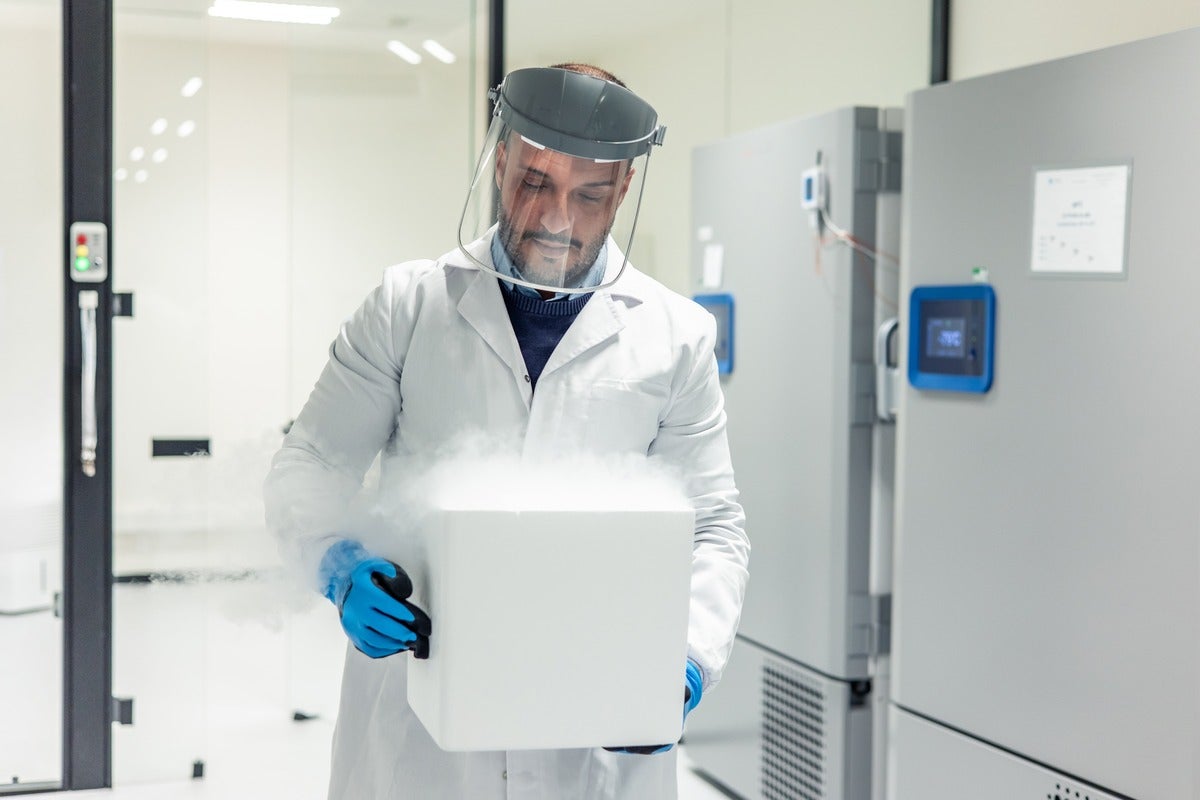
For converters serving pharmaceutical customers, GLP-1 therapies like semaglutide and tirzepatide represent a major growth opportunity. The GLP-1 drugs sector is expected to grow to $133 billion by 2035 according to market projections.*
To take advantage of this market, label converters must deliver materials that can withstand the refrigeration, condensation, handling, and regulatory scrutiny these medications require without failure.
GLP-1 receptor agonists are biologic, peptide-based medications designed to mimic a naturally occurring hormone involved in blood sugar regulation and appetite control. Unlike traditional small-molecule drugs, biologics are extremely sensitive to temperature changes.
Why do GLP-1 medications need to be refrigerated?
These medications must be stored and transported within a narrow range of 2°C to 8°C (36°F to 46°F). Exposure outside this window can irreversibly damage the protein structure. Heat accelerates chemical degradation and freezing causes denaturation and permanent loss of potency.
In fact, temperature excursions cost the biopharma industry an estimated $35 billion every year, driven by product loss, investigations, and compliance failures.**
What makes this especially challenging is that degraded GLP-1 drugs may still appear visually normal while no longer delivering therapeutic benefit.
As a result, the FDA and USP require validated cold chain processes from manufacturing through patient delivery to prevent recalls, waste, and patient harm.
How cold chain conditions challenge label performance
Cold chain environments introduce a unique set of stressors that can cause standard label constructions to fail:
1. Adhesion at low temperatures
One of the most common failure points is adhesive performance. Many general-purpose adhesives lose tack and flexibility at low temperatures, leading to:
- Edge lift or “winging”
- Partial delamination
- Complete label loss from small-diameter vials
GLP-1 applications typically require cryogenic-grade or cold-temperature acrylic adhesives engineered to maintain strong mandrel hold on curved surfaces, even at near-freezing temperatures.
2. Moisture and condensation exposure
Cold storage followed by exposure to ambient conditions creates condensation on vials, pens, and secondary packaging. Paper labels are particularly vulnerable, as moisture can cause:
- Smudging or ink bleed
- Tearing or wrinkling
- Loss of legibility
For this reason, film-based label materials such as polyethylene are widely preferred. These materials resist moisture, maintain dimensional stability, and protect printed information throughout handling.
3. Traceability and scannability risks
GLP-1 labels play a critical role in traceability. They often include:
- 2D barcodes or QR codes
- Serialization data
- Lot and expiration information
These elements must remain scannable from production to last-mile delivery. Exposure to condensation, abrasion, or temperature cycling can compromise barcode readability if the label face stock or print system isn’t designed for cold chain use.
Regulatory pressure raises the bar for labels
Cold chain labeling is about performance and compliance. FDA and USP guidelines require end-to-end traceability, validated processes, and clear, durable labeling to ensure patient safety.
For converters, this means:
- Consistent adhesion across temperature transitions
- Long-term print durability
- Compatibility with automated inspection and verification systems
A label failure can trigger investigations, shipment holds or recalls, creating costly downstream consequences for pharmaceutical customers.
Why film labels dominate GLP-1 applications
Given these requirements, polymers such as polyethylene and polypropylene film labels are the materials of choice for most GLP-1 applications.
Key advantages include:
- Resistance to moisture and condensation
- Dimensional stability during refrigeration
- Compatibility with cold-temperature adhesives
- Excellent barcode and variable data print performance
Designing redundancy into cold chain labeling
Even with optimized materials, risk mitigation is essential. Many pharmaceutical packaging strategies incorporate multi-layered labeling, where primary and secondary labels serve as functional backups.
However, this practice can add to overall cost. Overlap-free labeling is a preferred option that can yield cost savings.
Additional best practices include:
- Contingency plans for misprints or supply disruptions
- Compatibility testing with data loggers and temperature monitors
This level of preparedness allows converters and brand owners to respond quickly without disrupting distribution.
Last-mile delivery: Where labels are most vulnerable
The final leg of the cold chain is often the most unpredictable. During last-mile delivery, GLP-1 medications may be exposed to:
- Ambient temperatures
- Handling stress
- Rapid temperature shifts
Labels must maintain adhesion, readability, and scannability through these transitions. Designing for last-mile conditions is a critical consideration for converters.
Final takeaway for label converters
The rise of GLP-1 medications is reshaping pharmaceutical labeling requirements. For packaging and pharmaceutical label converters, success in this market depends on understanding how cold chain conditions affect label materials, adhesives, and print durability.
Converters who invest in cold-chain-ready label constructions, engineered for moisture resistance, low-temperature adhesion, and regulatory compliance, will be best positioned to support pharmaceutical customers as this high-growth market continues to expand.
Sources:
* GLP-1 Drugs Market Powers Adoption in Type 2 Diabetes and Obesity Management
